
By Sonja Heyck-Merlin
“When you’re at a plant sale, people can literally watch the bumble bees coming to these plants before they’re planted in the ground. It’s instant gratification,” says Molly DellaRoman of 5 Star Nursery and Orchard, a MOFGA-certified native plant nursery in Brooklin, Maine. It’s not just the pollinators DellaRoman loves but everything associated with the native plants she and other Maine nurseries grow. Such growers can talk endlessly about the unique biology of the plants they steward as well as the broader role each species plays in protecting Maine’s biodiversity. And they’re really jazzed because, unlike most farmers, they sometimes roam the forests, fields, and hedgerows harvesting wild seeds — such as finger-staining elderberries (Sambucus nigra) and wax-coated bayberries (Myrica pensylvanica) alongside the migrating fall warblers.
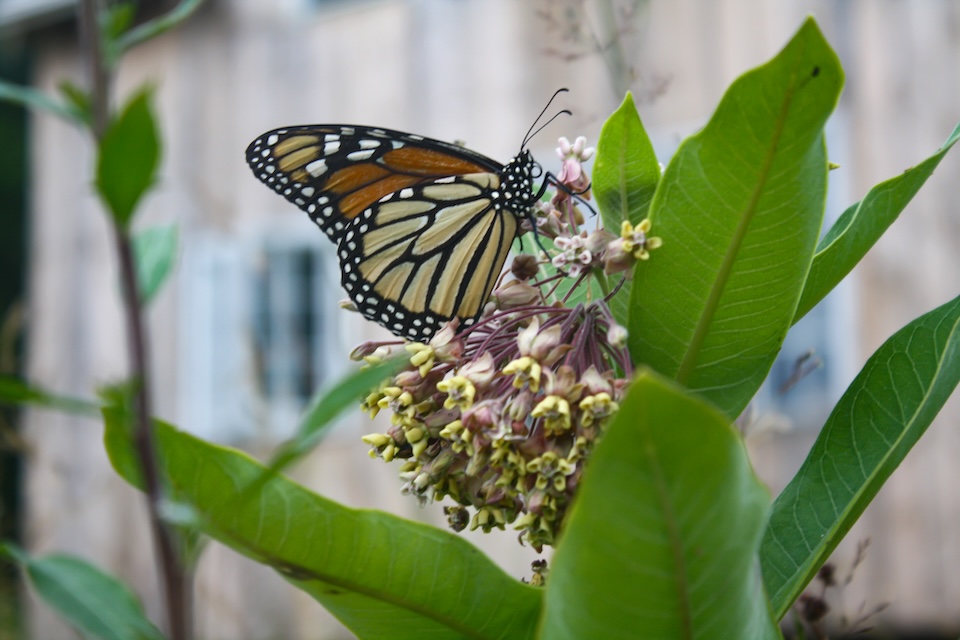
This passion is evident in Pete and Julie Beckford’s story. Rather than calling it quits because of the installation of an industrial wind project close to their farm in Clifton, Maine, the pair uprooted their life, their farm, and all of their nursery stock to a new location in Liberty, reestablishing MOFGA-certified Rebel Hill Farm.
DellaRoman and Tim Skillin of 5 Star — the name a nod to the beautiful configuration of five seeds visible upon slicing an apple in half — also hung onto their dreams when they discovered Amynthas worms (often called jumping worms) in their fairly new plant nursery and had to destroy hundreds of plants.
Garrett Sorber, who co-owns Radical Roots in Winterport with his partner Sam Olvera, says, “We have a responsibility to keep these plants and the creatures that depend on these plants around for future generations. The fact that the sundial lupine has been extirpated from Maine, and it’s rare in all of its other range, that’s a crime, I think. And there needs to be some sort of restitution to the land.” Lupinus perennis, or sundial lupine, is now considered to be locally extinct or extirpated from Maine largely due to competition from the non-native big leaf lupine (Lupinus polyphyllus).
All three nurseries have different origin stories. For Sorber and Olvera, who started their business a few years ago, growing native plants can be considered a form of land restitution. When talking about their reason for getting into the business, 5 Star’s DellaRoman and Skillin are quick to mention that they’re self-proclaimed bird nerds, and even before they started farming in 2017, on the Blue Hill Peninsula, they realized the importance of using natives to create bird habitat and provide a source of food.
When the Beckfords started their nursery 35 years ago, they didn’t specifically focus on natives but over time developed a greater sense of ecological awareness and transitioned to native species.
At the heart of these nurseries stand some fundamental questions: How do you define a native plant in Maine, given the fact that the state’s geographical borders are a product of colonization? And what exactly is a native plant within the context of climate change? After the fall 2025 plant sale at Native Gardens of Blue Hill, where all three nurseries sold plants, growers debated these very topics.
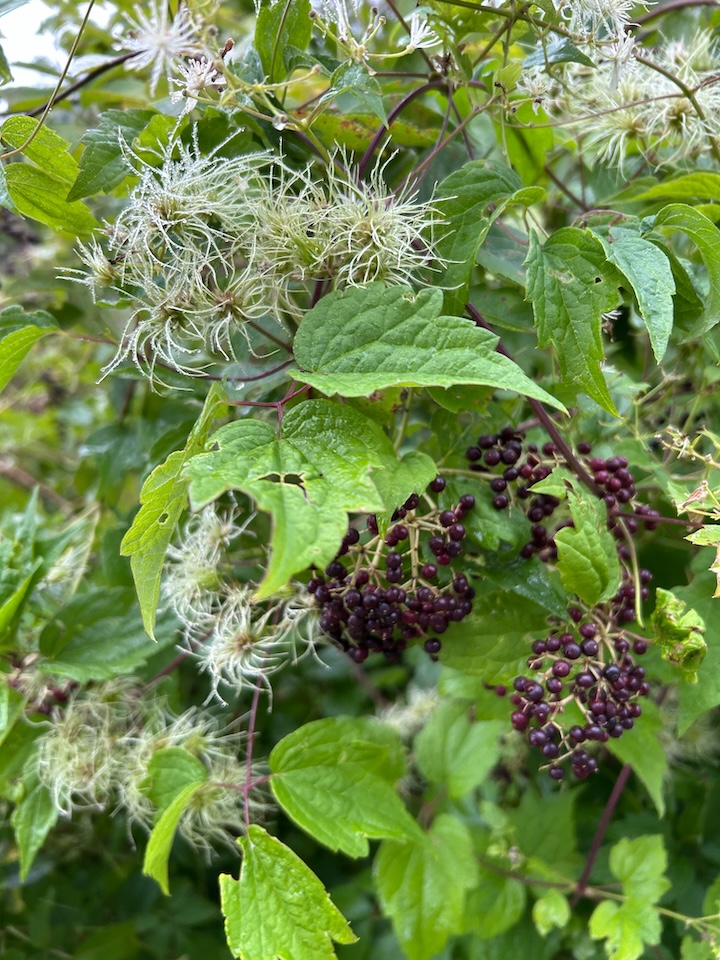
DellaRoman at 5 Star says, “It was a really lively discussion about what is native and what we should and shouldn’t be growing.”
Native Gardens of Blue Hill, whose biannual plant sales helped launch 5 Star’s nursery, has a strict definition for their gardens and plant sales: The plants must have been located within what is now defined as the state of Maine prior to colonization.
Rebel Hill, 5 Star, and Radical Roots take a somewhat more expansive approach. They are happy to adhere to this definition for the plant sales, but all three nurseries include plants and “woodies” (what shrubs and trees are known as in the industry) from further east and south in the United States.
Radical Roots, for example, sells sweetgum (Liquidambar styraciflua), sweetbay magnolia (Magnolia virginiana), and Carolina allspice (Calycanthus floridus) — all woodies whose native ranges are from Connecticut southward. They also sell flowering plants outside of Maine’s native range, including giant sunflower (Helianthus giganteus) and Culver’s root (Veronicastrum virginicum).
There is a general consensus among these growers, however, that it’s important to be transparent with customers about the origin of each species and to proceed with caution when introducing non-native species to Maine.
Another hot topic is to what extent nurseries should be raising species that have historically not been able to tolerate Maine’s winters but might help Maine adapt to a changing climate. This process is commonly called “assisted migration.” Maine’s biodiversity is challenged on other fronts. Emerging pests, like emerald ash borer, have the potential to destroy native populations. Non-natives hold the potential to outcompete native plants. These challenges keep growers in debate about how to proceed with assisted migration.
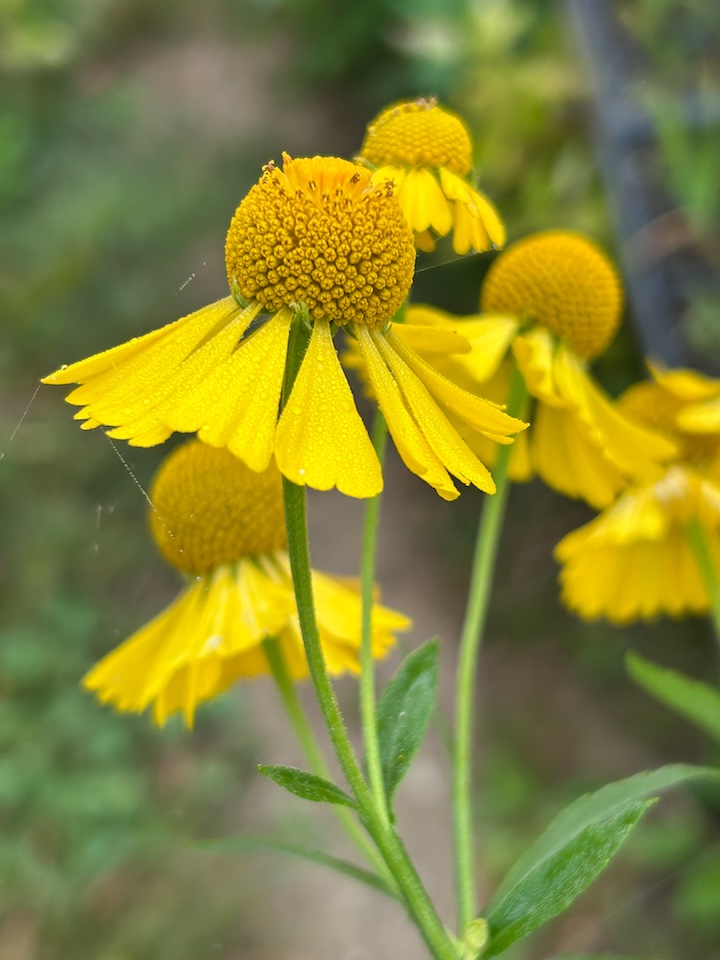
“How do you keep the balance of strengthening the gene pool here and not overwhelming it with bringing in species from further south? It’s a very interesting topic, and people are passionate,” DellaRoman says.
While these nurseries grapple with these complex issues, they have a united goal to grow a diversity of hearty plants that each play a special role within Maine’s ecosystems and, more narrowly, within their customers’ microclimates: whether coastal or upland, shady or partially sunny, wet or dry, sandy or rocky.
One such plant that plays an important role in the ecosystem is goldenrod. Pete loves to talk about Maine’s 18 species of Solidago, and he’s hopeful that folks will grow to respect the plants’ beauty and importance, much as customers have grown fond of common milkweed. “We tell our customers that the goldenrods host more caterpillars than any other herbaceous perennial in Maine. It’s really the backbone of the Maine countryside as far as that goes,” he says.
5 Star, which sells organic fruit in addition to their nursery stock, likes to share what they’ve learned about using natives to mitigate erosion in their orchard. Woodies like pussy willow (Salix discolor), aronia, also called black chokeberry (Aronia melanocarpa), and elderberry are easy to grow and help hold the orchard’s soil in place. Dogwoods, especially silky dogwood (Swida amomum), can grow in standing water. And native grasses like switch grass (Panicum virgatum), which creates overwintering habitat for bumble bees, are also great for erosion control.
With their customers, Sorber and Olvera of Radical Roots are apt to talk about the larger role of the native plants they cultivate within Maine’s ecosystems.
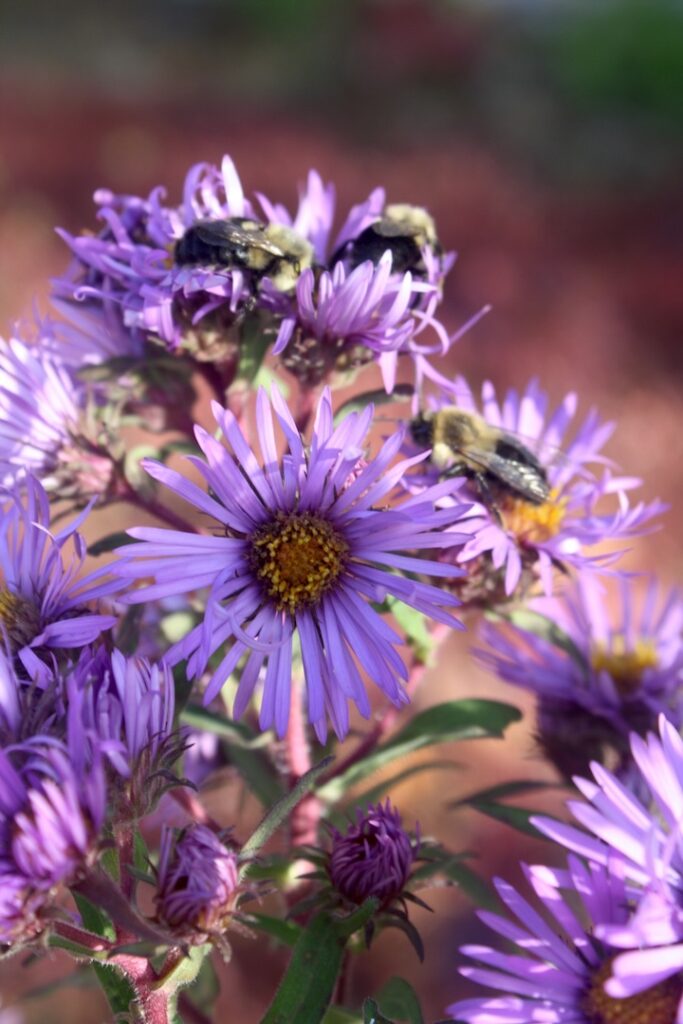
“They’re supposed to be here,” Olvera says. “They’ve evolved for thousands of years to live in this exact place. They are super important to the ecology, and we are interdependent on them.” They also like to point out how much more resilient native plants are, using the example of yarrow (Achillea millefolium). With its deep tap roots, yarrow fared dramatically better than non-natives during 2025’s drought.
In terms of raising plants, all three nurseries have fairly similar propagation and production systems. Each harvests the majority of their seed either from mature species on their property or by wild harvesting. It’s not uncommon to see them pulled over on the side of the road, on their way home from market or a delivery, harvesting seeds from a plant they’ve been eyeing for weeks. DellaRoman and Skilling explained that, in the name of expanding the gene pool, growers try to harvest seeds from different geographic locations. Native plant growers are likely to trade seeds from time to time for this reason.
Some seeds, like wild geranium (Geranium maculatum), are difficult to find. Others, like sundial lupine, the extirpated species Sorber mentioned, must be purchased. Each type of seed then requires different care and conditions in order to germinate. Some need cycles of cold (called vernalization) and can take years to germinate, although they can be tricked into breaking dormancy by putting them in a refrigerator prior to sowing.
Radical Roots and 5 Star raise all of their plants in pots — plastic for 5 Star and fabric for Radical Roots — strategically located in different areas across their properties. At Radical Roots, shade-loving plants are grown under a canopy of maple trees. After the jumping worm incident, hypothesized to have originated from potting mix imported onto the farm, 5 Star decided to start raising all of their plants on elevated tables with gravel underneath (minus their fruit-tree stock, which they sell as bareroot trees).
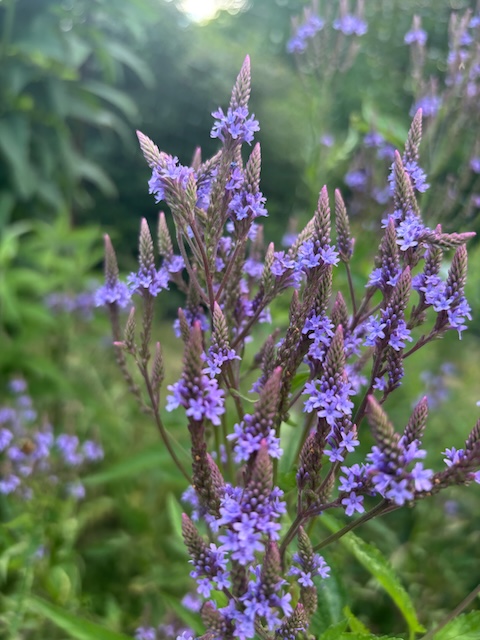
Rebel Hill, however, raises almost all of their stock in the field in 40-inch-wide raised beds. Pete says, “It’s the way we’ve always done it, but I also come at it from a vegetable-growing perspective. It wouldn’t hold as much interest if everything was in pots.”
The majority of the plants these nurseries sell end up at their customers’ homes, creating microcosms of beautiful gardens abuzz with native pollinators, birds, and so on across the food web. But these farmers are also interested in building resilience across the greater landscape. One example is to use native plants to help with shoreline stabilization.
In 2025, 5 Star hosted an intern in collaboration with Deer Isle-based Island Heritage Trust. The intern spent weeks identifying plant species growing along the shore and then helped DellaRoman and Skillin harvest seeds from sea lavender (Limonium carolinianum), beach pea (Lathyrus japonicus), beach plum (Prunus maritima), bayberry, and Virginia rose (Rosa virginiana). If 5 Star is successful in propagating these plants, their hope is that eventually they can be used to help protect the coastline of the Blue Hill Peninsula from Maine’s increasingly erratic and damaging storms. Similarly, Radical Roots was pleased to provide plants, including bayberries, blue flag iris (Iris versicolor), and different varieties of native roses, for Prospect Harbor’s library shoreline remediation project.
Judging by the demand for their plants, it seems that native plants have entered the mainstream in Maine. For example, many people are opting away from the day lily (Hemerocallis sp.), one of Sorber’s least favorites, and are instead favoring plants that have been growing here for thousands of years. Pete says that native plants have become trendy, and he’s grateful for that.
Sorber says, “People have become more cognizant of the fact that the plant menu around here is just so diverse and eclectic. It provides a really good benefit to not just humans in the ornamental sense, but also the wildlife, soil, and the hydrological cycle. It’s important to have these plants around.”
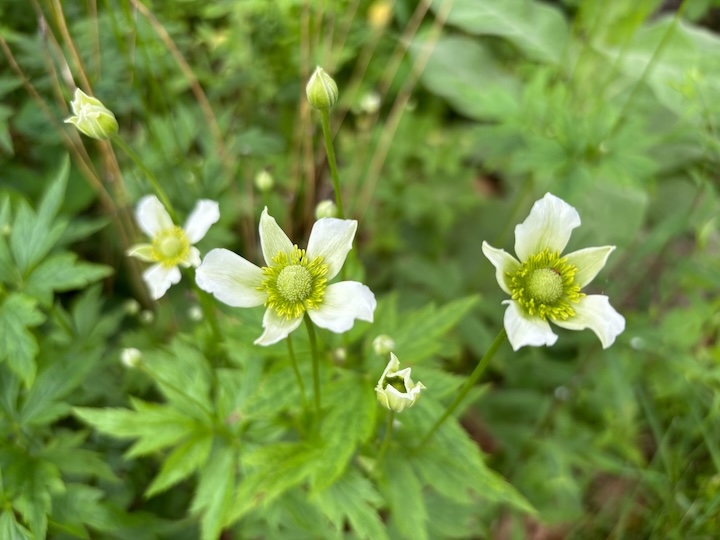
Established non-native plants, though, present a significant challenge to creating landscapes of natives, and customers often ask these growers how they can outcompete non-natives like multiflora rose (Rosa multiflora), Asiatic bittersweet (Celastrus orbiculatus), Japanese barberry (Berberis thunbergii), shrubby honeysuckles (Lonicera morrowii and Lonicera tatarica), and Japanese knotweed (Fallopia japonica). The general consensus is that removal is really the only effective strategy. But even with removal, it’s hard to keep up with the spread when, for instance, a hungry bird eats the berries of burning bush (Euonymus alatus) and spreads the seeds via their excrement. Burning bush seeds, says Pete, don’t even make great food for migrating birds; they’re high in sugar and not protein, which is what migrating birds need.
Pete has witnessed the ecological havoc wrought in states south of Maine, where the understory is comprised of non-natives outcompeting the native vegetation — along with the insects and wildlife that depend on them. He believes that Maine still has a chance to prevent this.
“We’re not pristine, but Maine is really lucky at this point. The threat of invasives is huge. It’s going to take a lot of education, too, because some of these invasives are really pretty plants that people like,” says Pete. The other growers agree. He continues, “We feel like removing invasives in Maine is as important or more important as planting natives because so much will be lost.”
Sonja Heyck-Merlin is a regular feature writer for The MOF&G. She and her family own and operate an organic farm in Charleston, Maine.
This article was originally published in the winter 2025-2026 issue of The Maine Organic Farmer & Gardener.