
By Madi Whaley
A few years ago, someone sent me a video wherein a new gardener showcases the many bags of soil and compost, fertilizers, pots, and other inputs purchased in starting their garden — a whole balcony of materials that would go to fill brand-new raised beds and containers, and to maintain the vegetable starts going in them. The video then shows a clip of the single tomato that the garden produced over the season. I don’t remember the exact numbers, but it’s safe to say that for this person the cost of starting the garden was much higher than the dollar value of the tomato they got from it. The video is funny, but it also highlights a barrier to the accessibility of gardening, and a fear that I know I had when I started gardening as a low-income adult.
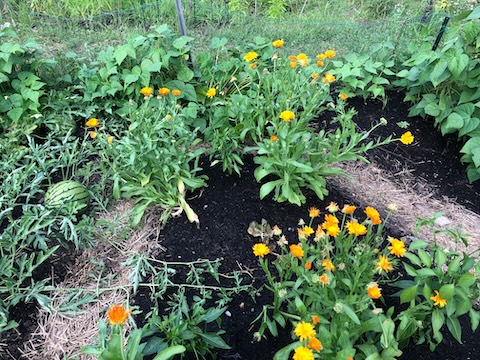
Gardening is often positioned as a way to improve food security or save money — and in many cases, it is. But it can also be expensive, and if you’re working with a limited budget, you may want to have some assurance that the money you put in will at least even out through the dollar value of food you harvest from the garden. Whether you’re gardening as a hobby, a means for food security, or both, here are some tips for budget-friendly gardening.
Lean on Community Resources
Leaning on existing resources is the first item I mention because there are so many valuable community resources that can make gardening more accessible. My ability to garden has been more possible because of sharing with neighbors, as well as local programs and organizations that offer access to gardening education, space, or supplies.
- Use Supplemental Nutrition Assistance Program (SNAP) benefits to purchase seedlings at a discounted rate, at participating farms and farmers’ markets.
- Seed swaps are a great place to give and receive free seeds. Typically, you don’t need to bring your own seeds in order to take some home. Oftentimes, you’ll also find plant cuttings, tree saplings, and other resources for the garden at these events. MOFGA holds one in March, but you can find seed swaps across Maine. Or, start your own!
- Tool libraries — and traditional public libraries with tools to check out — are becoming increasingly popular, and some carry electric or gas-powered gardening tools.
- Look into what your library and city, as well as local nonprofits, farms, and gardening clubs, have to offer. Community gardens are popular throughout the state; food pantries and other food access organizations may partner with local farms to distribute seedlings; and fellow gardeners in your area may opt to share resources as a group. Plus, if you aren’t able to garden on your own, you might be able to volunteer and benefit from gardening as part of a group.
- Consider pooling resources for bigger purchases like tools or soil amendments among neighbors, friends, or fellow community gardeners.
As much as gardening and budget are personal matters, they are also community ones. Please make use of the resources around you! If you’re not used to doing so, it can be intimidating, but you’ll be glad you did.
Sourcing Materials
Even if you’re utilizing the resources available to you through programs and community organizations like those listed here, you’ll likely still need to source some things elsewhere. Before purchasing something for the garden, I figure out whether I can repurpose something I already own or use plentiful and easily foragable materials. If not, I try to find low-cost but good quality materials at local shops — ones that I know can last at least a few seasons.
One way that I like to repurpose household materials for the garden is by turning plastic containers, fabric, or cardboard/paper fiber containers into pots for starting seeds. Simply cut the container down to size (if needed), poke holes in the bottom for drainage, and fill with seed-starting mix or potting soil. Starting from seed is often cheaper than buying plant starts, though this may not be true of some long-season plants like tomatoes and peppers.
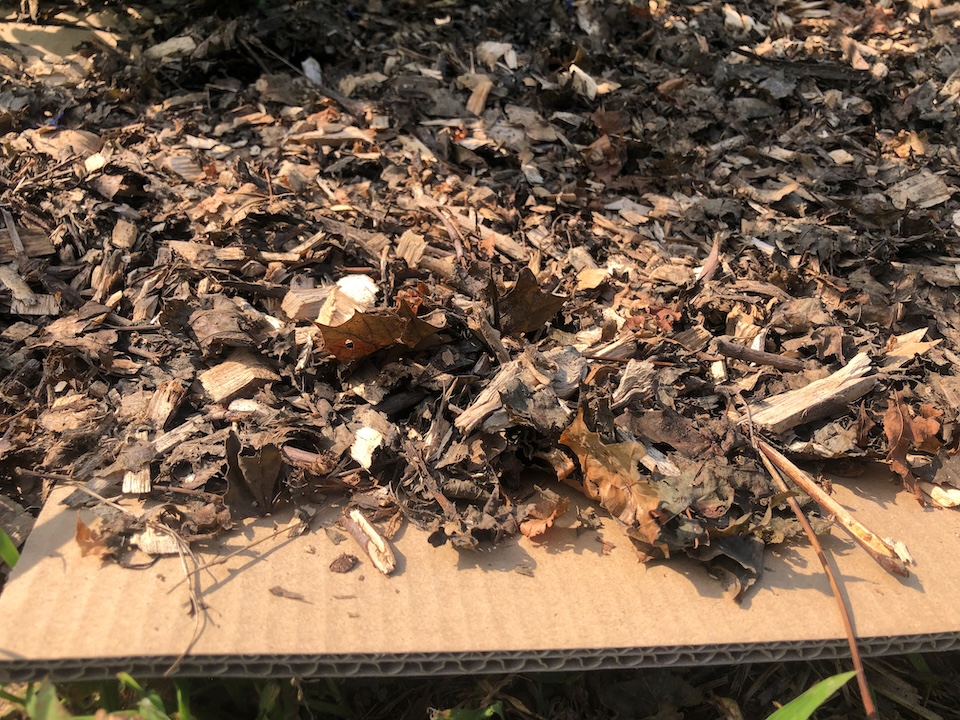
Later in the season, if you’re making a raised bed, or even if you’re doing an in-ground garden, try “lasagna” layering. With this method, you use some free and forageable inputs — such as cardboard, seaweed, and leaves — to smother weeds and add organic matter. You’ll cut down on the cost of fill while building healthy soil. As with all types of foraging, make sure you’re abiding by sustainable practices.
Tips for finding free or low-cost materials:
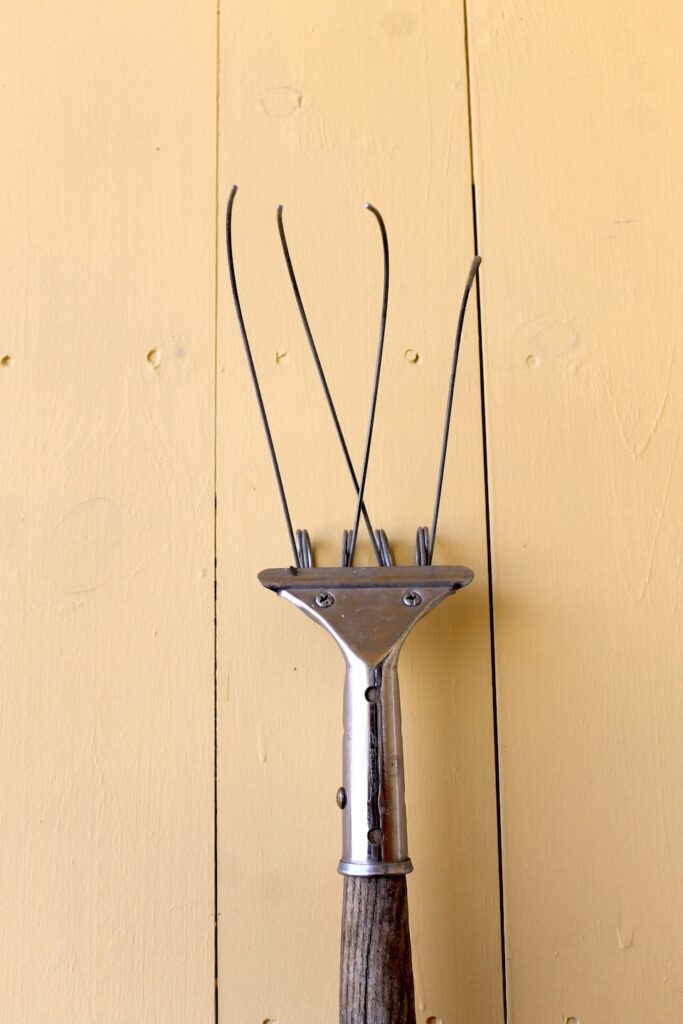
- Tools: You don’t need many! In my opinion, a hori hori, or soil knife, is the one to get — maybe the only one you need, at first. (It’s helpful for planting bulbs, tracing rows for direct seeding, cutting cardboard and compost bags, cutting down weeds, pulling plants up from the roots, and more.) You can also consider making your own tools.
- Structures: Trellises and fences are two structures you may be considering for the garden, and two structures that you may be able to build from materials such as tree branches. You may also find necessary materials at your local transfer station, via community boards or listservs, or at localized online marketplaces. Or, you might find low-cost materials at your local hardware store.
- Pest management: Practices like crop rotation, growing “attractants,” and growing “trap crops” may be more cost-effective than purchasing sprays. (Attractants are plants that attract beneficial or predatory insects to the garden. Trap crops are crops that you plant so that the pest in question will focus on it instead of the crop you actually want to grow.)
Soil First
If you’re debating how to prioritize your time and money when it comes to the garden, I’d recommend prioritizing soil health. This is because having fertile soils to support your plants — while it doesn’t prevent all challenges gardeners face — will typically result in greater yields and stronger, more resilient crops.
Prioritizing soil health at the beginning of the season has certainly made a big difference in my gardening. It’s reduced the amount of labor I need to put in throughout the season, and given me a better harvest by the end of it. Plus, while I’ve purchased some soil inputs, most have been low-cost, and some have been free.
Some cost-effective options:
- Compost: You can consider making your own compost, look into community composting options near you, or find a reputable (ask your provider what inputs are used in making the compost, and avoid purchasing compost made from sludge) low-cost option at a local garden center or farm.
- Farm manure: Do you have a neighbor with horses or livestock? Ask them if you can get some cured manure for the garden (or to add to your compost pile).
- Mulch helps build soil health, keep down weeds, and preserve water content in the soil. Plus, it’s easier to find free or low-cost mulch than one might think.
- Straw and hay: Connect with a neighbor or use an online tool such as the University of Maine Cooperative Extension listing.Grass clippings: If you have a lawn that you mow, or if there’s a lawn around your community garden that’s mowed, consider using the clippings as a mulch layer. (You’ll just want to be mindful that the grass/weeds haven’t gone to seed, and that they haven’t been treated with pesticides.)Leaf mulch: It’s important to leave the leaves, as they provide vital habitat and improve soil health. You can also leave some on top of your garden, especially as a layer of protection over winter.Woodchips: Flag down a chipper if you have a readily available source of wood, or use an online tool such as ChipDrop to have chips brought to you.
- Cardboard: Save your cardboard boxes for use as a mulch layer in the garden, or visit your local grocery store to request the empty cardboard boxes that they don’t want to deal with anyway. Remove tape, and avoid glossy cardboard and colored inks, which may be a source of soil contaminants.
- Cover cropping: In place of having bare soil between growing seasons, consider growing cover crops as a low-cost way to maintain soil health. Then, cut down the crop to use as a layer of mulch before planting the garden anew. (Buckwheat is a favorite among gardeners as it is killed by the frost and doesn’t require equipment to cut back.)
- Crop rotation: Even on a small scale, crop rotation (alternating the types of crops you grow/where you grow them) can really help with soil fertility.
On Labor and Time
When it comes to gardening on a budget, there’s a trade-off of labor and time. Some of the suggestions listed above (e.g., lasagna layering) may be more time consuming than buying a ready-made product (e.g., raised bed soil). And while spending more time in the garden might be nice, time can be hard to come by.
As you look ahead to the garden season, I recommend getting comfortable with an estimate for how much time you think you can, or want, to spend in the garden on a regular/weekly basis. From there, you can figure out a gardening plan and budget that works for the realities of your situation. Take what’s here and find options that work for you and your circumstances. Start small and grow in ways that are sustainable for you.
Madi Whaley is the educational programs coordinator at MOFGA, where they program classes and events for gardeners and the broader community. They grow food and flowers at a community garden in Southern Maine.
This article was originally published in the winter 2025-2026 issue of The Maine Organic Farmer & Gardener.