
Looking for a good book to read this winter? Here’s a look back at some of our favorite books reviewed in The Maine Organic Farmer & Gardener in 2025. The list includes books for gardeners, homesteaders, and farmers, as well as anyone who cares about where their food comes from. From tending the forest and the fields with joy and purpose, to exploring the history of land theft and PFAS chemical contamination, our short list offers opportunities to deepen your connection with the world around you.
For the full reviews, as well as other books we’ve enjoyed, click here.
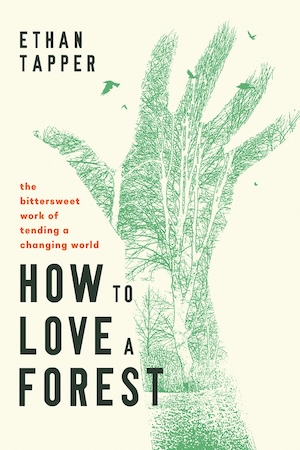
“How to Love a Forest: The Bittersweet Work of Tending a Changing World” by Ethan Tapper
“How to Love a Forest” weaves together some of the history of the landscape, current ecology, and hopes for the future. There are explorations on passenger pigeons, changing land management practices, invasive species, and wolf trees, just to name a few of the journeys Ethan Tapper takes us on as he weaves his personal narrative with broader historical and ecological topics. This timely exploration may inspire you to consider ways in which you are interacting with the land around you. Tapper writes, “I wish not for a perfect relationship with this forest but for a good one; that we may both become a small piece of a better world.”
– Anna Libby
“What If We Get It Right? Visions of Climate Futures” by Ayana Elizabeth Johnson
At the risk of sounding overly enthusiastic, “What If We Get It Right”? is a book for anyone who eats food, breathes air, drinks water, lives in a community, and cares even the slightest bit about our planet’s future. It left me brimming with a desire to act and a hundred suggestions of tangible ways to do so. It is both a roadmap to a better climate future and an image of what it will look like when we get there.
– Elliott Greene
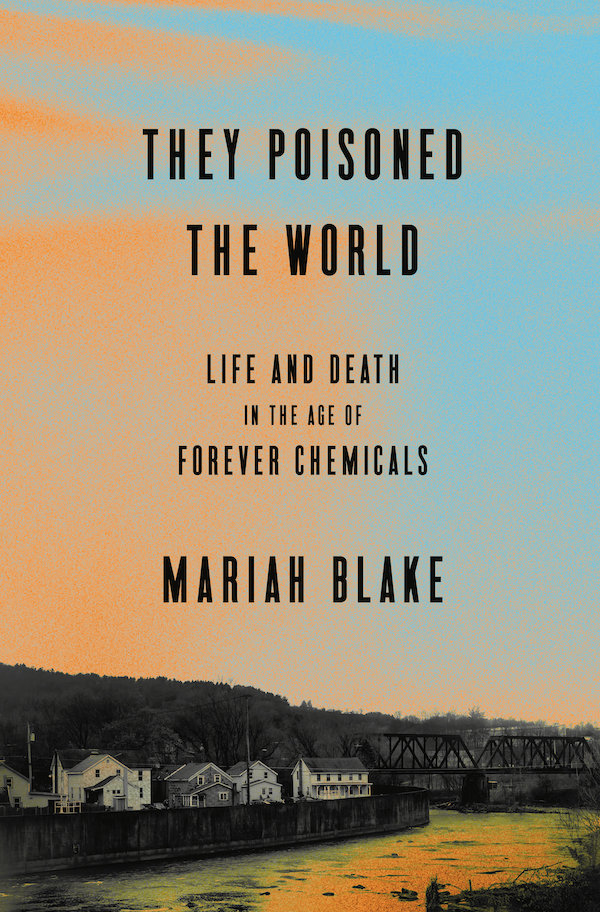
“They Poisoned the World: Life and Death in the Age of Forever Chemicals” by Mariah Blake
PFAS are now ubiquitous in the environment, and are found in plants and animals around the world, including “the bodies of virtually every person on the planet,” writes Mariah Blake in her new book, “They Poisoned the World.” Linked to cancers, obesity, and neurological problems, PFAS are in our drinking water and in our blood. She shows how companies like 3M turned wartime inventions into peacetime profits. Poison gases, she writes, found new life as pesticides. Explosives were repurposed as fertilizers. And plastics found new uses as Tupperware, grocery bags, shower curtains, and more.
– Sue Smith-Heavenrich
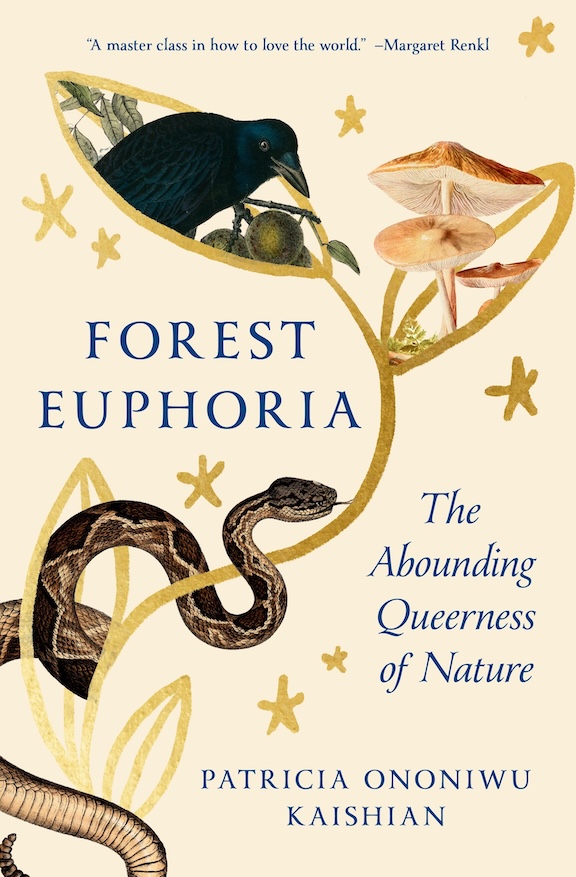
“Forest Euphoria: The Abounding Queerness of Nature” by Patricia Ononiwu Kaishian
In “Forest Euphoria,” Patricia Ononiwu Kaishian cites Robin Wall Kimmerer as an early influence in her budding trajectory as a scientist, and the botanist’s impact is clear in some of the book’s essays. Such is the case in “Purple Love,” when Kaishian speaks to the coexistence of aster and goldenrod in the landscape as fulfilling a function of beauty — an observation that helped to spark Kimmerer’s own scientific career. Kaishian’s words feel like they are in conversation with her mentor’s, adding layers of contemplation and insight through her perspective as a queer, neurodivergent person with Armenian and Irish ancestors. She explores her identity on the page, adding references to more deeply understand the world as she sees it. And what a beautiful way she has of looking.
– Holli Cederholm
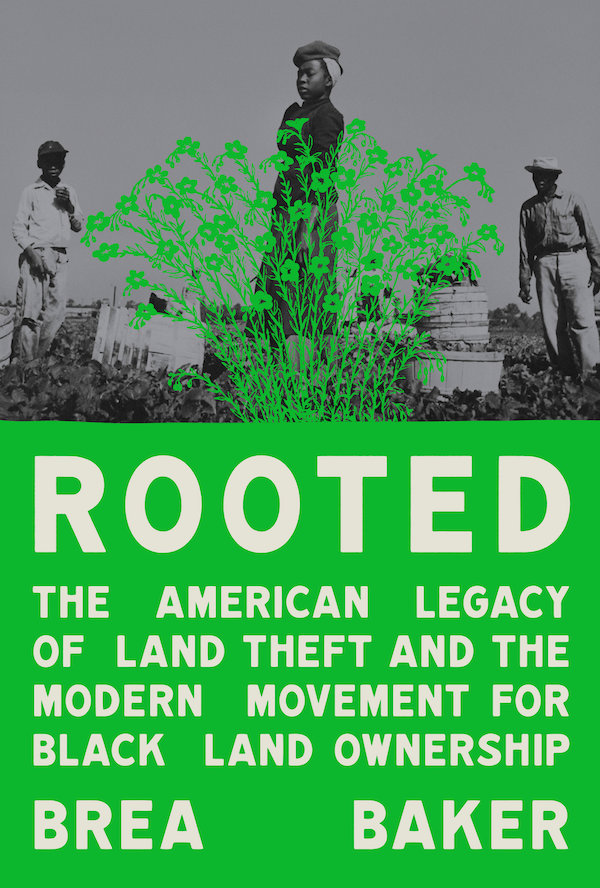
“Rooted: The American Legacy of Land Theft and the Modern Movement for Black Land Ownership” by Brea Baker
In “Rooted: The American Legacy of Land Theft and the Modern Movement for Black Land Ownership,” author Brea Baker personalizes the meaning of the historical events she discusses by drawing parallels between them and her own family’s journey to owning land that they now call Bakers’ Acres. The history of sharecropping, for instance, invokes stories of her grandmother’s family throwing peach parties — “turning the chore of growing fruit and vegetables into a family affair” — and of the initial purchase of land by her relatives Louis and Nancy Baker in the early 19th century. Stories of violence and struggle are interwoven with struggles of resistance and success. Baker’s writing is accessible, and readers will be especially drawn into her personal and familial narrative. This book is particularly resonant today, in a time of renewed consolidation of wealth and power that targets Black and other marginalized communities.
– Madi Whaley
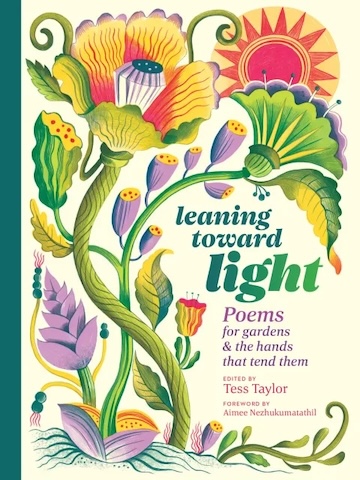
“Leaning Toward Light: Poems for gardens & the hands that tend them” edited by Tess Taylor
What I love most about the collection is that the poems remind us — as poems so often do — of the greater connection and meaning behind the individual tasks we are carrying out. The authors reflect on their connection to the Earth and the food for their tables. They make meaning of events both deeply personal and global. I kept coming back to “Green Tomatoes in Fire Season” by Tess Taylor, who writes, “There is smoke in the air / when I go pick them. / I go despite panic, also because / inside I’ll make chutney… Jar them for friends & the winter.”
– Anna Libby
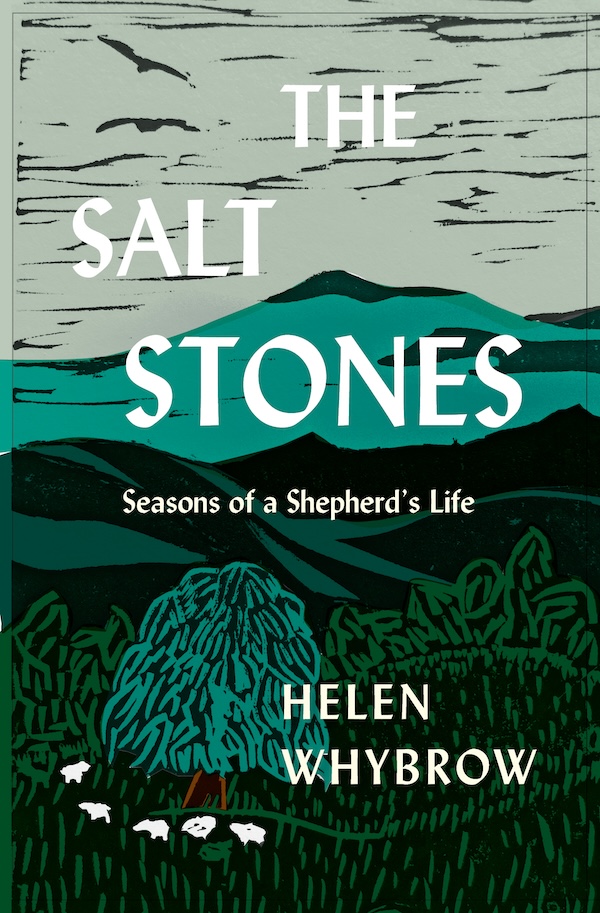
“The Salt Stones: Seasons of a Shepherd’s Life” by Helen Whybrow
“The Salt Stones” begins with an initiation: A ewe gives birth to two lambs. One lives. One dies. Helen Whybrow, the shepherd and author of this book, knows she will have to tell her toddler, Wren, about the death, and that they will go see the living and dead lambs together. With that, Whybrow steps forward into the story of her shepherding life, bringing the reader along with an ever-present tension of birth and death. Whybrow writes that the shepherd’s mind “is about finding a way to listen, to tend, and to immerse in the living world.” She offers this to readers — the possibility to belong to the living world as an antidote to loss. An antidote that must be taken day after day, like a shepherd moving the flock to fresh pasture.
– Katie Spring