
Farmer to Farmer Conference
2026 Farmer to Farmer Conference
2026’s Farmer to Farmer Conference will be held February 7-9 at the Holiday Inn by the Bay in Portland, Maine.
General Information About the Conference
MOFGA’s Farmer to Farmer Conference is known for its intimacy, in-depth treatment of topics and profound discussions. The conference offerings are based on the idea that farmers learn best from their peers and other practitioners. Conference speakers include prominent and accessible university faculty, extension educators and other agricultural professionals. Our unique workshop session format presents talks by both agricultural service professionals and farmers, and then opens up to a farmer discussion that explores both the unique and common experiences of everyone in the room.
Learn from and engage with speakers who are farmers and service providers, including peers and mentors from across Maine, Vermont, Massachusetts, Pennsylvania and more!
Please contact Anna Mueller with any questions you may have at (207) 568-6017 or [email protected].
Do you need any interpretive or translation services? Please contact Anna Mueller directly and let us know what language you will need translation for. Also contact Anna if there are any other barriers you face.
Exhibitors and Sponsors
We want to thank our sponsors and exhibitors from previous years and welcome new partners as we broaden the reach of our Farmer to Farmer Conference.
MOFGA’s sponsorship options include benefits such as a banner at the conference, acknowledgment of support before the keynote speaker, acknowledgement of support on social media, free conference registration, recognition on the conference website and verbal acknowledgement during the conference. Sponsorships support all aspects of the conference — from scholarships and sliding scale pricing to speaker compensation.
Interested in joining us as an exhibitor or sponsor? Please reach out directly to Anna Mueller for sponsorship levels and more information.
Thank You to Our 2026 Sponsors and Major Funders
Platinum Sponsors


Other Sponsors





Conference Details
Registration Options
Early bird pricing ends December 31, 2025!
- $65 per session block.
- $170 for all sessions and keynote
- $368 for all sessions, keynote, and meals.
- $30 breakfast (taxes and gratuity included).*
- $39 lunch (taxes and gratuity included).*
- $60 dinner (taxes and gratuity included).*
- $25 for child lunches and dinner (taxes and gratuity included).*
* Cost per meal.
Starting January 1, prices will increase as follows:
- $75 per session block.
- $200 for all sessions and keynote.
- $398 for all sessions, keynote, and meals.
A limited number of scholarships are available. Please complete this form to apply for a scholarship.
Transition to Organic Partnership Program Track
If you are currently not certified organic and interested in certifying and would like to attend the Transition to Organic Partnership Program track you can register for that specific track for free through the general registration form (meals not included).
- Sunday Morning – Growing alliums, leeks, garlic and onions, an adventure in risk taking
- Sunday Afternoon – High Tunnel Tomatoes
- Monday Morning – Record keeping & Inventory Tracking
- Monday Afternoon – Effective Spray Programs During Extreme Weather
2026 Farmer to Farmer Conference Schedule
2026 Keynote Speaker
Monday, February 9 at 8:45 a.m. Holiday Inn by the Bay, Portland, Maine
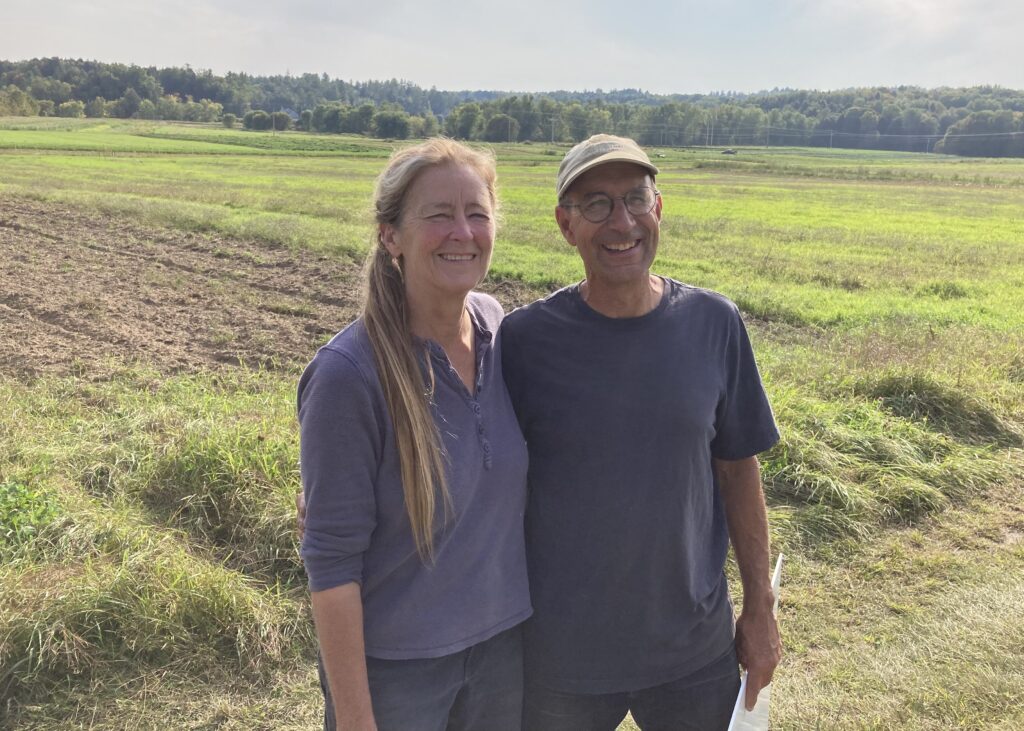
Thirty-Four Years of Organic Farming: What’s Worked for Us
with David Marchant and Jane Sorensen of River Berry Farm
Fairfax, Vermont
Farm Tour
Saturday, February 7 at 1 p.m.
North Spore Mushrooms, Portland, Maine
North Spore Mushrooms Tour
Saturday, February 7 at 1 p.m.
North Spore Mushrooms
921 Riverside Street, Portland, Maine
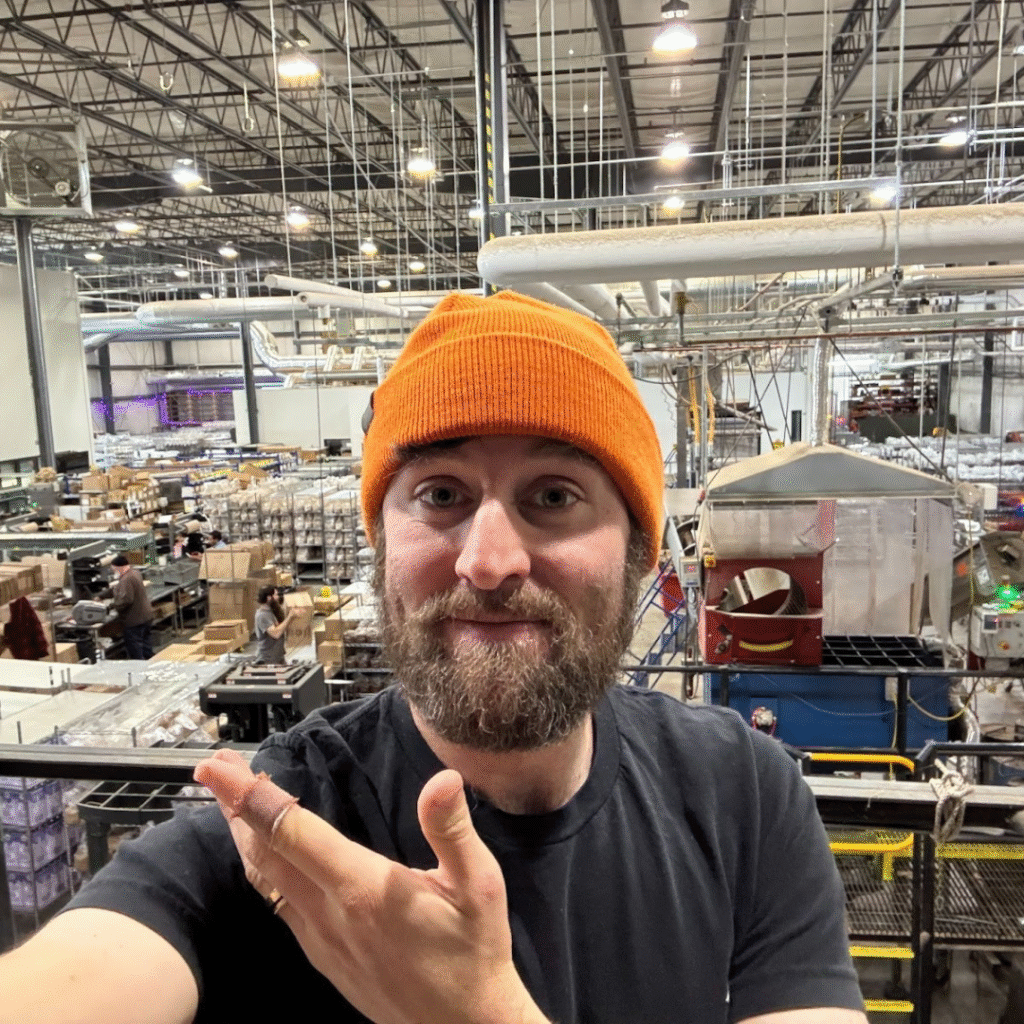
North Spore is the country’s leading mycology supplies company. With over 1,000 SKUs, they provide a breadth of products that is virtually unmatched in the mushroom industry. From spawn and sterile substrates to books, fruiting blocks, and grow chambers, they consistently provide innovative premium mushroom products for hobbyists and farmers alike. In 2025, there were about 70 staff, but it all started with Matt Mcinnis, Eliah Thanhauser, and Jon Carver selling fresh mushrooms out of a garage in Westbrook, Maine. Growth was rapid from the start and within just a few years, they were selling something like 1,000 pounds a week to restaurants and farmers’ markets, from Bar Harbor to Boston.
Today, the fresh mushroom side of the business is gone, but North Spore still provides spawn to dozens of farms throughout the country. The cultivation they still do is primarily for content, research and development, and their own consumption.
In their 25,000-square-foot facility, they prepare all of their substrate, maintain a culture lab, and do their own fulfillment. The tour will include a look at their substrate mixing, hydrating, and sterilizing systems, lab, incubation areas, and fulfillment lines. Expect to see cool industrial steam generation, pressure cooking, air filtration, refrigeration, bagging machines, and more. They also have a lovely backyard with gardens and more mushroom experimentation. Included in all of this will be a discussion of the mushroom industry, mushroom biology, and the various interesting species they work with.
Buyer and Seller Meet-up & Farmer Social
Saturday, February 7 at 2:30 p.m.,
Allagash Brewing Co.,
50 Industrial Way, Portland, Maine
Join MOFGA and The Rodale Institute for a buyer and seller meet-up and networking event at Allagash, followed by a tour of the facility and a farmer social and drinks. Connect directly with local buyers and growers, learn from their real-world experience, and tap into resources that can boost your business. Farmers can explore new sales channels, buyers can discover trustworthy local suppliers, and everyone can build the relationships that keep our regional food system thriving.
This event is supported through the United States Department of Agriculture (USDA) Transition to Organic Partnership Program (TOPP). TOPP is a program of the USDA Organic Transition Initiative and is administered by the USDA Agricultural Marketing Service (AMS) National Organic Program (NOP).
Conference Sessions
Sunday, February 8 - Monday, February 9
Holiday Inn by the Bay, Portland, Maine
Sunday Morning Sessions
9:30 a.m. - 12:30 p.m.
Howard Prussack, High Meadows Farm; Everett Ottinger, Nettie Fox Farm
A discussion with Nettie Fox Farm, a MOFGA-certified small, diversified vegetable farm, and High Meadows Farm, which brings over 50 years of experience growing organic alliums as Vermont’s oldest certified NOFA farm since 1976. They are also certified by Real Organic Project. The farmers will share their perspectives on the suitability of growing alliums within their operations and highlight their approaches to production (including the use of plasticulture in organic systems) along with cleaning, storage, and marketing practices from community supported agriculture (CSA) and farmers’ markets to large wholesale accounts with Whole Foods and other large co-ops in Massachusetts. They’ll also reflect on key lessons learned, notable observations, and the various boons and pitfalls they’ve encountered along the way.
Keena Tracy, Little Ridge Farm; Abby Lydon and Jeffrey Knox, Dharma Farm; Erica Emery, Rustic Roots Farm
Sprouting off of previous sessions that MOFGA has hosted, this session continues our efforts to normalize open discussions on sensitive farm financial concerns and create space for farmers to express a generosity and willingness to be vulnerable in asking and answering questions regarding current financial realities. With this session, we look to build a conversation for defining and understanding your farm’s ability to offer suitable/sustainable compensation. Join the farmers from Little Ridge Farm, Dharma Farm, and Rustic Roots Farm in exploring stories of how we pay ourselves as farmers/farm owners, including how we did in the past and in the present, as well as hopes and goals for the future.
Sara Keleman American Farmland Trust; Noami Brautigam , Second Frost Farm; Patrick Dunseith, Land Manager for the Intervale Center, VT
Few of us have disaster plans for our farms. Whether a climate disaster or unexpected personal crisis, it is essential to have a plan for dealing with the unknown when you have so much at stake. Sara Keleman of American Farmland Trust will walk us through the process of developing a disaster plan using Second Frost Farm as a case study. Leave this session with a toolkit and framework for developing your own disaster plan.
Sylvie Boisvert, Land for Good; Bo Dennis, MOFGA
Join Maine’s Land For Good field agent, MOFGA’s beginning farmer specialist, and a panel of farmers to discuss leasing land and pathways to secure long term land tenure. We will explore the elements of a good lease and discuss planning for accessing longer-term land security. This is designed for farmers that are looking for land, leasing, and/or are currently in a land transition.
Katheryn Langelier, Herbal Revolution; TBD
This value-added session offers practical insights on boosting farm profitability through strategic product diversification. Experienced producers/manufacturers will cover the topics of vision and business planning, financials, sales channels (wholesale, direct-to-consumer, e-commerce), marketing strategies, building and managing a team, growth projections, navigating regulations, and identifying key resources. Learn lessons from the field on turning raw goods into higher-value products.
Speakers TBD
This proposed workshop would be a 3-hour session dedicated to the theme of farm electrification. The session would bring in multiple speakers to discuss various aspects of incorporating electric technology onto the farm, potentially including information on both DIY and commercial electric tractors and equipment. The long format allows time for attendees to break out and think specifically about implementing electrification strategies on their own operations.
Sunday Lunch Discussions
1:30 - 2:30 p.m.
Yoko Takemura and Alex Carpenter, Assawaga Farm
Yoko Takemura and Alex Carpenter started Assawaga Farm in Northeast Connecticut in 2018. As their eighth season comes to a close, they will discuss how they built the farm from the ground up, going from raw land to a thriving no-till market garden. Topics will include finding and purchasing their property, bringing the soil into production, the evolution of their no-till practice, hiring and managing employees, focusing on growth through efficiency rather than scaling in size, and thoughts on the future of their operation.
This farmworker-facilitated conversation space is for farmworkers to connect with each other and learn about resources available to Maine farmworkers.
Sunday Afternoon Sessions
2:30 - 5:30 p.m.
Becky Sideman, University of New Hampshire; Nate Drummond, Six River Farm
An overview of current practices, emerging ideas, and practical considerations for growing tomatoes in high tunnel systems. This session highlights strategies to support healthy crops, extend the season, and improve overall production.
Mark Cannella, University of Vermont Extension; Kate Holcomb, USDA Northeast Climate Hub; Rachel Schattman, University of Maine
This session will focus on how to incorporate climate change into the business-side of farming. Mark Cannella, Kate Holcomb, and Rachel Schattman will discuss and contextualize climate change risk, risk management, and resilience; introduce basic financial concepts including equity, profitability, and cash flow; and how climate resistance/resilience strategies relate to financial planning and financial decision-making. We will also discuss whole-farm and enterprise monitoring, identification and evaluation of cash and capital thresholds and reserve pools, recovery from business disruptions, and business continuity. Short presentations will be interspersed with hands-on activities and open discussion.
James Gagne, Second Frost Farm; Yoko Takemura, Assawaga Farm; BrennaMae Thomas-Googins, Patch Farm
In this expansive conversation about reduced-tillage systems, Second Frost Farm, Assawaga Farm, and Patch Farm will all share how they’ve adapted reduced-tillage practices for their operations. Panelists will discuss financial specifics, labor, inputs, challenges, and opportunities that they’ve discovered implementing these practices. This conversation will be discussion-based, with participants having opportunities to share about their own systems, ask for feedback, and develop peer-to-peer relationships.
Pheonix and Megan O’Brien, Hall Brook Farm; Howard Prussack, High Meadows Farm; Alida Peterson and Sarah Sims, Maine Farm & Sea to Institution (MEFTI)
Join a conversation about the opportunities and challenges for regional producers accessing and expanding into wholesale market channels. New resources, such as a Producer’s Toolkit and the Local Food Switchboard, will be shared by folks from Maine Farm & Sea to Institution (MEFTI) and the Maine Department of Agriculture, Conservation and Forestry (DACF), and experiences will be shared by both a Maine-based farm (Hall Brook Farm) and a Vermont-based farm (High Meadows Farm). Experienced farmers as well as new/beginning farmers who are interested in wholesale marketing are encouraged to bring your questions, knowledge, frustrations, and aspirations for what the landscape looks like for selling your farm products to regional grocery buyers, distributors, institutions, and others across the Northeast.
Speaker TBD
Increasingly, farmers are recognizing that technical skill and business savvy are necessary, but not sufficient, to run a successful sustainable family farm. Without the tools to support a healthy work-life balance–farms and/or families struggle to thrive in the long term. Our farms comprise a deeply layered web of human relationships that connect our community, customers, staff, family and all aspects of ourselves to a particular piece of land and a vision for professional and personal fulfillment. Constructive management of these relationships and conscious attention to “work-life balance” is an important way to ensure that farming and family can coexist and thrive. Guided by the varied experiences, perspectives and practices of three farm families, this session aims to honestly and thoughtfully address the human realities of balancing family and farming. We’ll discuss strategies for fostering healthy resilient relationships, setting and maintaining boundaries, managing change, being flexible and practicing clear communication.
Speakers TBD
This session focuses on the spirit of farmer innovation and the practical application of technology on farms. It is intended to include discussions on farmer-led innovation networks like Fabricolab and Farmhack, creating an opportunity for exchange between the Quebec and U.S organizations that have both been actively developing open-source tools. renewal and relaunch, exploring its history and future role in supporting farmers. The session will dedicate specific deep dives into tools and applications useful for small-scale operations, such as:
a. greenhouse automation
b. DIY farm hardware and tractor implements
c. Digital software, potentially including organizations and tools from the GOAT
(Gathering for Open Ag Tech) community.
Monday Morning Sessions
10 - 11:30 a.m.
Chris Grigsby + John Welton, MOFGA Certification Services; Farmer and Processor, TBD
Join staff from MOFGA’s Certification program to review best practices for record keeping and inventory tracking, both from the perspective of organic certification as well as general good business practices for your farm or operation. We’ll conduct mass balance and traceability exercises for both a farm and processor to show what occurs at an annual inspection. We will also hear from a farmer and a processor about their record keeping and inventory tracking systems.
Ryan Voiland, Red Fire Farm
Short on labor? Looking for a way to better connect your customers to the farm? In this session Ryan Voiland will delve into the strategies and techniques utilized at Red Fire Farm in Western Massachusetts for providing pick-your-own to their community supported agriculture (CSA) members and for general public customers. They have been growing about 10 acres of organic field space per season devoted to pick-your-own crops including blueberries, strawberries, assorted vegetable crops, and herbs. Voiland will touch on specific crops, signage and field layout, pricing strategies, and some techniques for how to manage the pickers.
Lindsay Werner, Department of Agriculture, Conservation and Forestry
Eighty-seven Food Safety Modernization Act (FSMA) Produce Safety Rule inspections have been completed for 55 farms since 2019 (including initials, routine, for-cause). Thirty-one farms had third-party food safety audits; 40 had an On-Farm Readiness Review, 41 had PSA Grower Training. Let’s discuss prioritization through determining which observations were significant and which were just technical. What were other discussion topics from the inspections? What do farms need to know to prevent significant observations? Do you have any burning food safety questions? Bring them!
Becky Maden, University of Vermont Extension; Sophie Courser, Alprilla Farm
In Maine, reduced-tillage is becoming a highly adopted strategy for soil health and climate adaptation. Whether you are a conventional tiller looking for labor-efficient ways to incorporate reduced-tillage practices into your systems or a hand-powered no-tiller looking for tips and tricks to scale up your operation efficiently, this session is for you. Becky Maden, of UVM Extension, will be joining us for the technical backdrop to New Hampshire’s Alprilla Farm’s presentation about the methods they’ve employed for scaling up reduced-tillage systems.
Joel Miller, Wild Miller Farm; Peter Abello, NRCS
In this session, we will hear from a Natural Resources Conservation Service (NRCS) conservation planner about the opportunities currently being offered by the U.S. Department of Agriculture (USDA) for land stewards. We’ll also hear from Wild Miller Farm, who have engaged with these practices and implemented them. They’ll share some of the challenges and successes they discovered.
Becky Maden, University of Vermont Extension; Everett Ottinger, Nettie Fox Farm
Colorado potato beetle (CPB) is the most damaging insect pest of potatoes in the northern hemisphere and displays a long history of rapidly evolving pesticide resistance. For organic farmers dealing with CPB pressure, there are few effective pesticides, making rotational chemistries nearly impossible. In response, growers have developed strategies in addition to or instead spraying, including: hand picking, creative use of things like badminton rackets to knock off larvae and beetles, farmer-built mechanized beetle beaters, and flamers. This session will provide an overview of CPB control strategies and have farmers share their successful — and not so successful — tactics for organic CPB control. Becky Maden from UVM Extension will provide insights gained from on-farm research in Maine and Vermont exploring the effectiveness of delayed planting on CPB populations.
Leslie Forstadt, Maine Farm Wellness + Farm Coaching; Bella Russo, AgrAbility; Lucy Wess, Maine Ag Mediation Program + PFAS Navigator Program
Join the UMaine Extension Health & Wellness Programs Team for an interactive workshop focused on recognizing that your physical, relational, emotional, and mental well-being are all linked and vital for a sustainable farming life and business. We’ll explore useful approaches that cultivate resilience and support balancing these areas, helping you and your team thrive both on and off the farm.
Bringing together representatives from various tools like Farm OS, Market Organic, Rooted Farmers, and Grown By to discuss their offerings and help farmers understand available options.
Monday Lunch Discussions
12:30 - 1:30 p.m.
Maine Mobile Health Program provides all-encompassing mobile medical care to patients at farmworker camps and other community settings across the state. Come hear about how this organization could support you or your employees in accessing patient-driven and culturally sensitive care.
If you are in the midst of starting a farm business, this conversation space is for you! Come connect with other farmers in a similar stage as you and learn about resources here to support you.
The Transition to Organic Partnership Program (TOPP) offers opportunities for both farmers who aspire to certify as well as experienced certified organic producers. Whether you have questions about a pathway to certification or you are interested in being a paid mentor for someone in transition or participating in the inspector mentorship program in 2026, show up here to learn more.
Monday Afternoon Sessions
1:30 - 3:00 p.m.
Becky Maden, University of Vermont Extension; Everett Ottinger, Nettie Fox Farm
Colorado potato beetle (CPB) is the most damaging insect pest of potatoes in the northern hemisphere and displays a long history of rapidly evolving pesticide resistance. For organic farmers dealing with CPB pressure, there are few effective pesticides, making rotational chemistries nearly impossible. In response, growers have developed strategies in addition to or instead spraying, including: hand picking, creative use of things like badminton rackets to knock off larvae and beetles, farmer-built mechanized beetle beaters, and flamers. This session will provide an overview of CPB control strategies and have farmers share their successful — and not so successful — tactics for organic CPB control. Becky Maden from UVM Extension will provide insights gained from on-farm research in Maine and Vermont exploring the effectiveness of delayed planting on CPB populations.
Ryan Voiland, Red Fire Farm
One of the most enjoyable parts of farming is working in a warm greenhouse full of plants in later winter when it is still raw and snowy outside. Red Fire Farm grows about 10,000 square feet of organic greenhouse space devoted to seedlings of vegetable, flower, and herb plants for their field needs and also for selling to gardeners. Most of their production is based on planting seeds but also uses some plugs for certain items. Growing plants for their production field planting is very different compared to growing the same species for selling to gardeners, and Ryan Voiland will touch on strategies for doing both simultaneously. Topics include seeding and germinating equipment, successional scheduling, types of trays and pots, potting soil, plant tag systems, variety considerations, watering automation, heating, hardening, handling, and trucking.
Jason Lilley, University of Maine Extension
Managing pests and diseases with organic materials is tough in the best of conditions. Extreme rainfall, drought, and high heat can make that even more complicated. This session will cover approaches to maximize pest management in these conditions. We’ll discuss field access, when to decide to reapply, avoiding spray damage, storage, and emergency preparation with pesticide safety and storage in mind.
Andrew Fuller, Underground Beets Farm; Nick Planson, SHRED Electric
Many new and beginning farmers are finding themselves leasing instead of buying and/or on raw or remote land because of the rising cost of land. Off-grid and renewable infrastructure can be a long-term solution for coping with the challenges that raw land presents. In this session, Underground Beets Farm in Alna, Maine, will outline their strategies for an off-grid propagation house and irrigation systems. They will share about how they developed these systems, what materials were used, and challenges and opportunities. Nick Planson from SHRED Electric will also be sharing about how solar cooling and pumping technology, initially developed for working waterfronts, is being adapted for agricultural systems in Maine.
Leslie Forstadt, Maine Farm Wellness + Farm Coaching; Lucy Wess, Maine Ag Mediation Program + PFAS Navigator Program; Additional Facilitators: TBD
Neurodivergence or being “neurospicy” is an umbrella term that describes people whose brains function differently from what is considered “typical” or neurotypical. This session will explore the unique strengths, processing styles, and potential challenges of neurodivergent individuals. Learn simple, effective strategies for communication, task management, and workspace design to help make the farm environment more accessible, efficient, and supportive for neurodiverse team members (and likely neurotypical individuals too!).
Vern Grubinger, UVM
Highbush blueberries are relatively easy to grow, and long-lived, but on many farms they are not realizing their potential. Given more attention, they could be more productive and profitable. This session will dive into the key issues to manage to achieve better yields. We’ll discuss the role of leaf analysis in guiding organic fertilization, informed by data from dozens of farms. Mulching options will be reviewed. Approaches to pruning, as well as organic management of some common diseases and insect pests will be covered. Is netting worth the cost? Is irrigation worth it? Bring your experiences about what’s worked for your farm, and where you think investments in management have been most beneficial.
David Marchant, River Berry Farm
The presentation will cover how we produce Brassicas (cabbage, broccoli and greens)lettuce, and root crops for wholesale markets. We will also discuss the potential of regional production to distributors, and local wholesale to stores and retailers. We will cover how we integrate wholesale marketing with our on farm and retail markets.
Touchdown Time, Farmers!
Grab your friends and fellow growers and get ready to cheer your hearts out at this year’s conference Super Bowl bash! Load up your plate, snag a drink from the bar, spot the true super fans in the crowd, and settle in for a night packed with big plays, good laughs, and farm-fueled fun!
Childcare
We are offering childcare for kids ages 2 and up and have 12 childcare slots due to space and staffing available. The fee is $20 per day. Register for childcare through the conference registration form.
Please reach out to Anna Mueller with any questions.
Accommodations
88 Spring St.
Portland, Maine 04101
(207) 775-2311
Please follow this link to book and receive our conference group rate. Make your reservations before January 23, 2026 in order to access the rooms at the group rates. After January 23, 2026, reservations are subject to general hotel rates and availability and you will need to book directly through Holiday Inn by the Bay.
Nightly Rates: Rooms are $119/night plus taxes, fees and parking.
Things To Do in the Area
Discover the best of this vibrant seaside city. From exploring the cobblestone streets of the Old Port with its charming shops and world-class dining to enjoying scenic waterfront views and nearby attractions like the Portland Museum of Art, there’s something for everyone.
Explore
- Old Port: Wander the cobblestone streets to find boutiques, restaurants, and waterfront views.
- Eastern Promenade Trail: Walk or bike this scenic trail for views of Casco Bay.
- Portland Observatory: Climb this historic signal tower for 360-degree views of the city and harbor.
- Victoria Mansion: Tour this ornate Italianate-style house, one of the finest examples of American residential architecture.
- Enjoy arts, culture, and history.
- Portland Museum of Art: Explore exhibits and collections at the state’s largest art museum.
- Wadsworth-Longfellow House: Visit the boyhood home of poet Henry Wadsworth Longfellow.
- Maine Narrow Gauge Railroad Museum: See antique railcars and take a ride on a steam locomotive.
Indulge in local treats
- Flatbread Company: On the water with a New England seafaring atmosphere.
- The Holy Donut: Try their famous potato donuts.
- Twelve: Serves modern New England cuisine.
- Central Provisions: Internationally inspired food.
- Leeward: Italian restaurant in Portland’s Arts District.
- EVO Kitchen + Bar: “Maine meets the Mediterranean.”
- Duckfat: Serves “Belgian-style frites, hand-punched, twice-fried in duck fat.”
- Fore Street Restaurant: New American restaurant featuring a wood-burning oven.
Scholarship Opportunities
We have various scholarships available, apply here for a scholarship by January 15!
Transition to Organic Partnership Program Track
If you are currently not certified organic and interested in certifying and would like to attend the Transition to Organic Partnership Program track you can register for that specific track for free through the general registration form (meals not included).
- Sunday Morning – Growing alliums, leeks, garlic and onions, an adventure in risk taking
- Sunday Afternoon – High Tunnel Tomatoes
- Monday Morning – Record keeping & Inventory Tracking
- Monday Afternoon – Effective Spray Programs During Extreme Weather
It is impossible to predict what, if any, COVID-19 restrictions or protocols will be needed in the future weeks.
With that said, we will be working with and following the guidance of state public health agencies and departments to ensure that the event is considered safe.
Although currently not required, all registered participants should be prepared for the possibility of:
Social Distancing
Masking indoors
Masking in crowded places
Providing proof of a negative COVID-19 test
We are very hopeful that this conference can be held restriction-free and will reimburse conference fees if requested due to any changes in our policy.
Our sliding-scale registration fee allows us to offer more access to our events. Please pay the amount that fits your budget. Paying more than the suggested rates will help support the conference registration fees for someone who is unable to pay that cost. The suggested general registration fee is $60.
Thank you!
If you’d like to be considered for a scholarship fill out this application by Friday, October 29, 2021.